
He explores new revenue sources through a phased monetization model and IP expansion strategy.
He argues for the importance of improving revenue structures in light of changes in the AI era.
[TV Daily Reporter Kim Hangil] Yujin Oh, CEO of Most Contents, who engages in OST production, distribution, and content IP projects, recently shared insights on the structural differences between the music and film industries. In an interview, he highlighted various challenges currently faced by the content market and suggested solutions, drawing from his experience in the evolution of the music industry. His perspective influenced a critical examination of the limitations within the drama and OTT sectors, particularly emphasizing the necessity for structural changes in the era of AI.
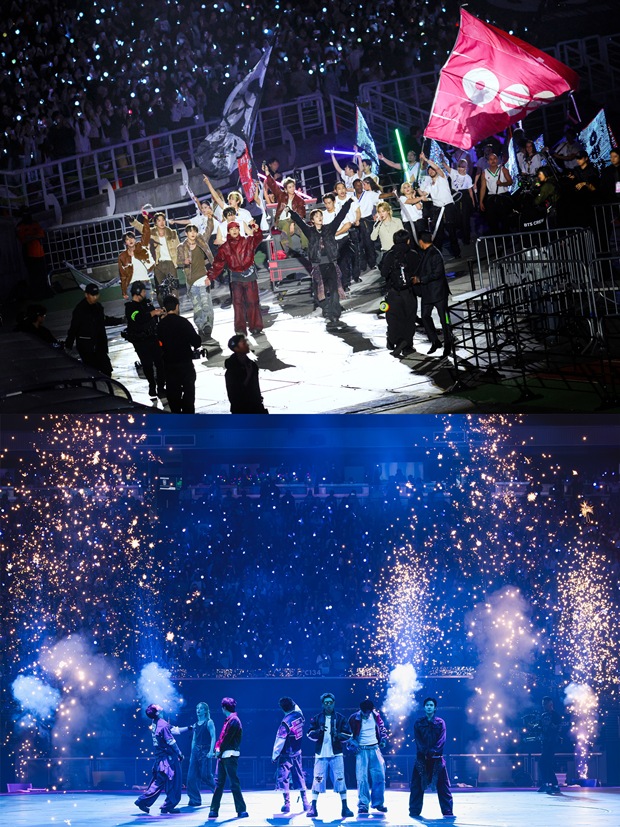
He pointed out the dependence of video content on subscription models despite the limited potential for repeated consumption, akin to music. He critiqued the industry's reliance on a 'delivery structure' which restricts additional revenue post-success, suggesting a phased monetization approach for improvement. In addition, Most Contents is enhancing its IP expansion strategy by pursuing various auxiliary operations beyond OST production, with film concerts combining drama and music presenting new revenue opportunities.
On the potential impact of AI technology on the industry, he stressed that improving revenue structures is vital beyond mere cost reduction in production. Drawing from experiences in music, he argued for the need to redesign current structures in the film industry, advocating for 'structural design' as a means to facilitate a sustainable content ecosystem.
Yujin Oh's insights highlight the fundamental differences between the music and drama industries, particularly in how their revenue structures are formed. The music industry benefits from a subscription model that creates stable revenues through consumables that can be repetitively enjoyed. In contrast, the drama and video content sectors face challenges in sustainable growth due to high production costs coupled with limited revenue streams post-success. The phased monetization approach he suggests could serve as a significant solution for the future development of the content market.
Furthermore, Most Contents’ efforts in OST production and various auxiliary business attempts demonstrate the potential for generating new revenue streams beyond music IP. This innovative fusion of musical and visual elements in drama can provide fans with fresh experiences, thus contributing to the longevity of the content. Notably, initiatives like film concerts are emerging as differentiated revenue models that could inspire many content creators to pursue similar avenues.
Lastly, while the advancement of AI technology promises changes in content production methods, the crux remains in how that content is distributed and monetized. As Yujin Oh points out, even with technological progress, without a well-established revenue structure, the sustainability of the industry cannot be assured. This reflects an important lesson learned from past experiences in the music sector.
This article is KOSTAR’s reinterpretation of a story originally reported by TVDaily.
Photo: An Seong-hu