The first court ruling acknowledged the claims made by female employee A and acquitted her.
Jang's agency plans to challenge the verdict and appeal the case.
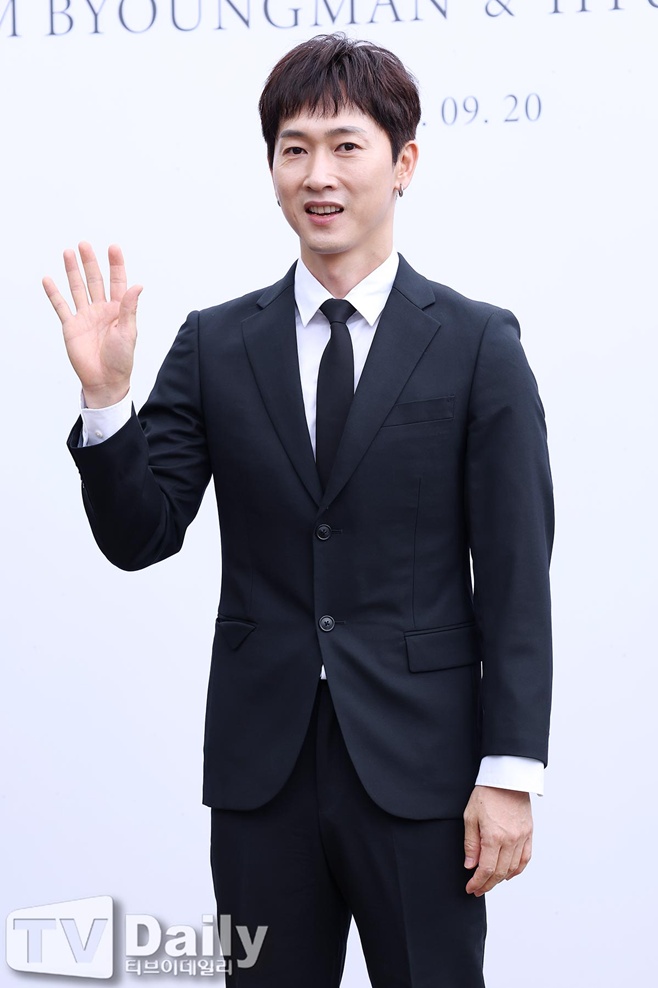
[TV Daily Reporter Kim Ji-ha] Jang Woo-hyuk, a member of the group H.O.T. and a solo artist, has been revealed to have verbally and physically abused a female employee, A. Despite Jang's attempt to countersue A for defamation, the first ruling by the court did not support his claims.
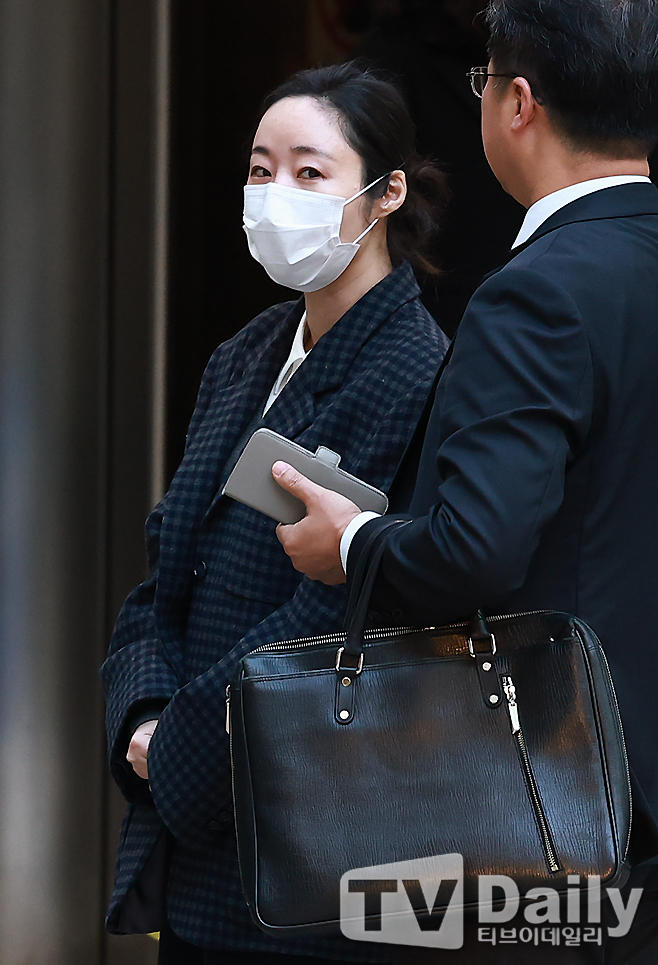
According to Money Today on the 25th, the Seoul Western District Court acquitted A of the defamation charges on the 29th of last month. A had claimed on June 10, 2022, that she was assaulted twice by Jang during her employment. The first incident occurred in 2014, where Jang allegedly hit A on the back of the head in a taxi while on a business trip together. The second alleged assault happened in 2020 at a broadcasting station, where A stated Jang struck her hand and verbally insulted her before a performance.
A indicated that she had endured ongoing verbal abuse and humiliation from Jang, but recognized this as abnormal behavior. Jang's agency maintained that the allegations were unfounded, filing a countersuit for defamation. Following investigations, the prosecutor's office acknowledged the assaults and verbal abuse in 2014 as factual while deeming the 2020 incident false. Jang claimed he was attacked by A but the first-instance court found A's account more credible.
The recent case surrounding Jang Woo-hyuk reflects the unequal power dynamics prevalent within the K-pop industry. The authority artists wield over their agency staff can often lead to negative outcomes, frequently infringing on basic human rights. The court's recognition of A's claims serves as a crucial precedent in demanding change in such structures.
Furthermore, Jang's past and present are intricately linked to the expectations of his fans. As a member of the iconic group H.O.T., his actions not only affect his reputation but also intersect with his fan relationships. Such incidents have the potential to significantly damage his image and adversely impact his connection with fans.
Lastly, the court's ruling invites a re-evaluation of the relationships between entertainers and their employees. It highlights the need for critical reflections on the power dynamics in the entertainment industry, which should be recognized not as isolated events but as ongoing and structural issues.
This article is KOSTAR’s reinterpretation of a story originally reported by TVDaily.
Photo: Shin Jeong-heon