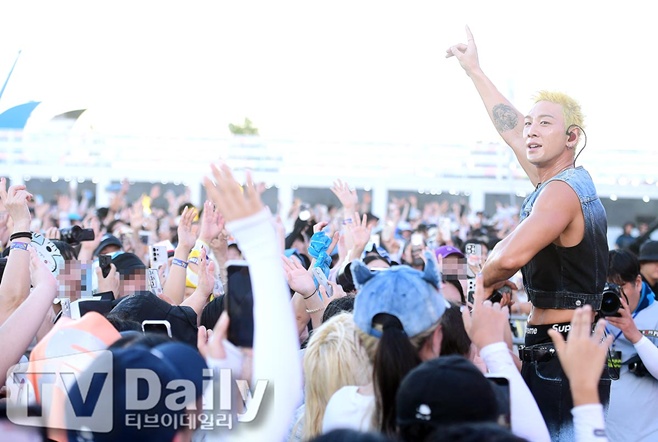
Fans display their status through platform usage and memberships.
Despite economic pressures, fans are becoming key economic agents.
Fans have transformed from simple consumers to key players in the K-Pop industry. Once primarily known for buying music and attending concerts, they now demonstrate their fandom through platform subscriptions, membership purchases, and merchandise. This evolution reflects a phenomenon termed ‘Fan Economy,’ solidifying into a significant industry framework.
At the core of this fan economy is the fan platform. HYBE's Weverse exceeded 100 million cumulative subscribers in 2024, highlighting the global expansion of K-Pop fandom beyond domestic boundaries. Weverse encompasses fan communities and content beyond specific artists, creating a comprehensive global fan consumption infrastructure. Kakao’s Dear U serves as another exemplary model, connecting artists and fans in a one-on-one format that converts emotional value into revenue.
Now, the monetization of fan clubs has become a necessity rather than a choice. Major K-Pop agencies like HYBE, SM, JYP, and YG collect membership fees for official fan club registrations, offering priority ticket purchases and access to exclusive content. Consequently, fans are required to pay annually to maintain their fan status. Additionally, in the performance market, the fan economy has solidified as the opportunities for ticket purchases are increasingly dependent on fan club membership.
The fan economy signifies a variety of economic activities that extend beyond simple consumer behavior. While fandom was traditionally grounded in emotional loyalty, it has evolved into a model where financial expenditure becomes a cornerstone of identity. This transformation reflects a complex psychology, where fans self-identify through their economic contributions.
K-Pop artists began to experience a shift with the year 2023 marking a turning point for sustainable revenue generation, even without fan investment. This has led to marketing strategies targeting the global market rather than specific fan groups, making it feasible to respond quickly to the demands of fans through collaborations and new product launches.
However, this change isn’t solely positive. Fans are beginning to feel economic pressure, leading to growing dissatisfaction with the consumption model. As a result, voluntary engagement is being supplanted by a pattern of enforced expenditure, where participation in fan activities is increasingly dictated by financial means. The monetization of fan clubs could further exacerbate feelings of alienation among fans.
This article is KOSTAR’s reinterpretation of a story originally reported by TVDaily.
Photo: TVDaily