
Twelve individuals have been sentenced for the illegal production and distribution of synthetic content.
The company has promised to continue its efforts to protect the rights of its artists.
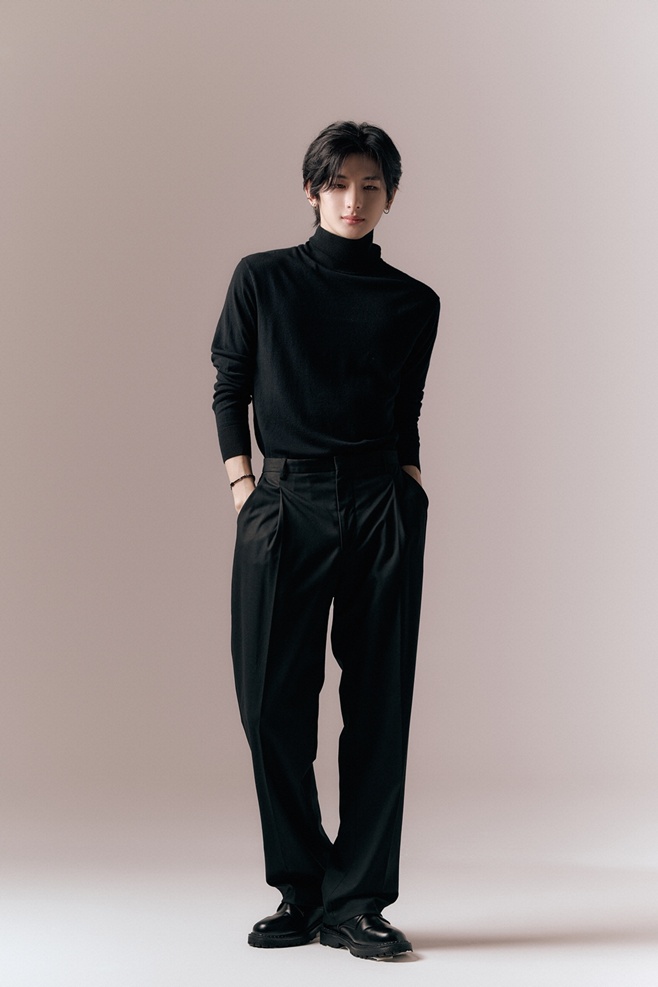
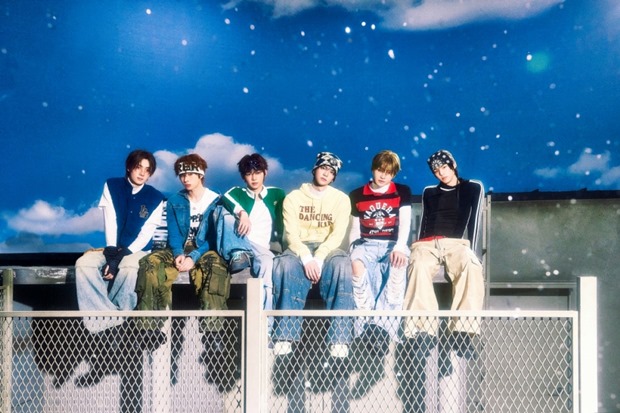
[TVDaily Reporter Kim Jin-seok] SM Entertainment has announced its legal actions against online crimes targeting its artists. On April 10, SM conveyed via its official social media that legal measures are currently underway to address serious violations regarding personal information of its artists, including false information dissemination, defamation, sexual harassment, and deepfake content.
The company stressed the severe mental damage inflicted upon artists due to the production and distribution of illegal explicit synthetic content, urging strict punishment for the resulting defamation. It mentioned ongoing cooperation with law enforcement for evidence collection and the submission of complaints. Currently, 12 defendants have been sentenced to prison terms for violations of the Special Act on the Punishment of Sexual Violence Crimes, with appeals dismissed and sentences confirmed.
Additionally, SM highlighted that many offenders are utilizing anonymous overseas social media platforms to share illegal explicit synthetic content and reiterated its commitment to intensify investigations into these activities. The company vowed to continue protecting the rights and interests of its artists.
The recent legal measures taken by SM Entertainment not only reflect a strong commitment to protecting its artists' rights but also set a precedent for the industry. As incidents of online sexual crimes, especially deepfake content, continue to rise, the proactive stance of the company is expected to have positive implications across the sector. This response sends a significant message not just to artists but also to fans and the industry at large.
Given the increasing frequency of unauthorized use and manipulation of artists' images worldwide, SM's initiative could help activate preventive measures that rely on legal grounds. This could serve as an essential benchmark for other entertainment companies facing similar incidents, encouraging a culture of accountability in the industry.
In the deeply rooted K-pop fandom culture, if these legal measures function effectively, fans could also contribute to fostering a healthier consumption culture. Particularly, it could play a pivotal role in raising awareness against maliciously circulated false content, enhancing the overall integrity of fan engagement.
This article is KOSTAR’s reinterpretation of a story originally reported by TVDaily.
Photo: SM Entertainment