
The issues of the put option and shareholder agreement termination are central to the case.
This case stimulates important discussions around K-POP industry and legal risks.
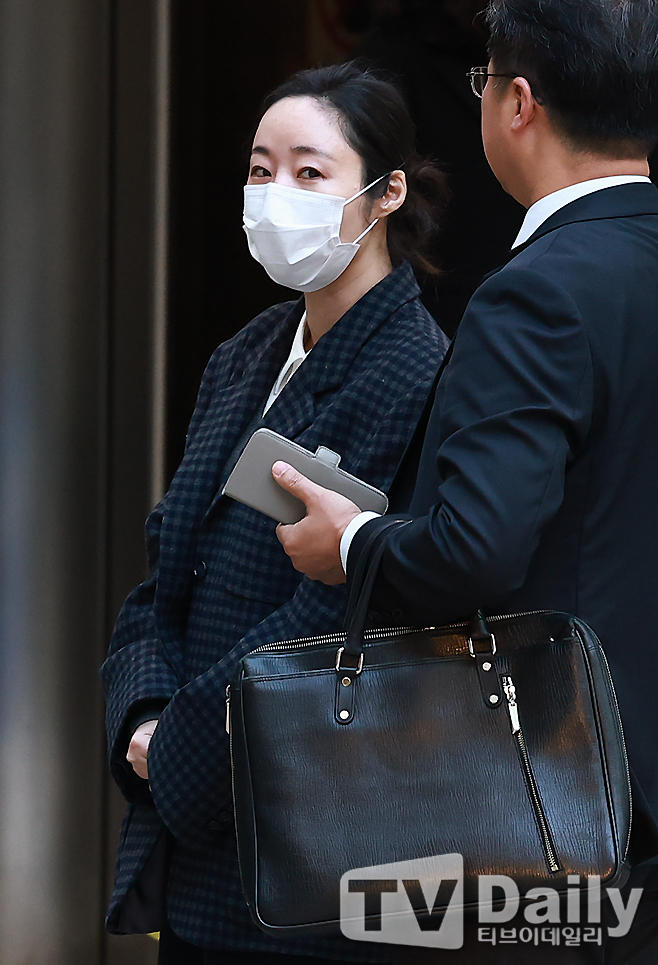
Min Hee-jin, the former CEO of ADOR, is set to face HYBE in court once more. This afternoon, the Seoul Central District Court will hold a hearing regarding the confirmation lawsuit for the termination of the shareholder agreement filed by HYBE against Min and also a lawsuit regarding a 26 billion won put option exercised by Min against HYBE. Min's side claims that the put option was legally exercised, and thus HYBE must fulfill its obligation to pay for the shares. Conversely, HYBE argues that the shareholder agreement was terminated due to a breach of trust, stating that the right to the put option has expired. In a previous session in September, HYBE's Chief Legal Officer, Jeong Jin-soo, testified about Min's alleged attempts to separate ADOR and establish NewJeans independently, asserting a breach of trust, which Min denied, leading to intense crossfire in court. The recent ruling confirming the validity of the exclusive contract is expected to be another significant factor in this case. The court found the exclusive contract to be valid, and this decision might substantially influence the evaluation of facts in the shareholder agreement lawsuit. The court plans to conclude the hearings by December 18, with the first ruling anticipated in early next year.
This case starkly highlights the deepening conflict between Min Hee-jin and HYBE. The issues of the put option and termination of the shareholder agreement are not just legal matters but reflect the trust between the two parties and the direction of corporate development. Particularly, HYBE's argument about the breach of trust raises significant questions about corporate culture and leadership, which could potentially influence the competitive structure within the music industry.
Moreover, the outcome of the exclusive contract validity trial could serve as a turning point in ongoing disputes. How this ruling influences the perception of Min’s credibility is one of the cruxes of this lawsuit, which might resonate across the broader music ecosystem. In the music business, an artist's contractual relationships extend beyond mere commercial aspects, serving as pivotal elements that determine their management policies and brand values.
Finally, this case serves as a wake-up call regarding legal risks widely present in the K-POP industry. With frequent conflicts arising between artists and companies, there will be an increased call for clear legal standards and internal regulations. This is expected to create opportunities for simultaneously securing artists' rights and enhancing corporate management efficiency.
This article is KOSTAR’s reinterpretation of a story originally reported by TVDaily.
Photo: TVDaily