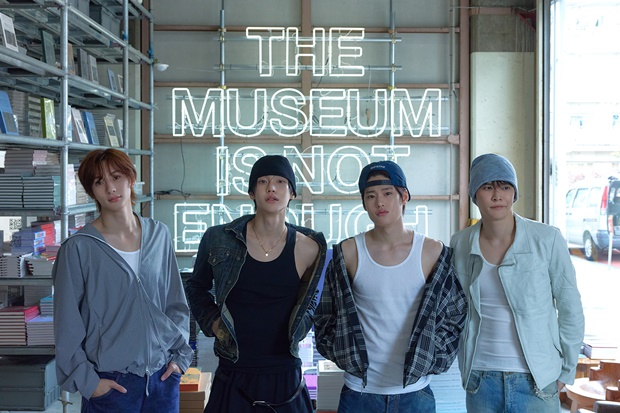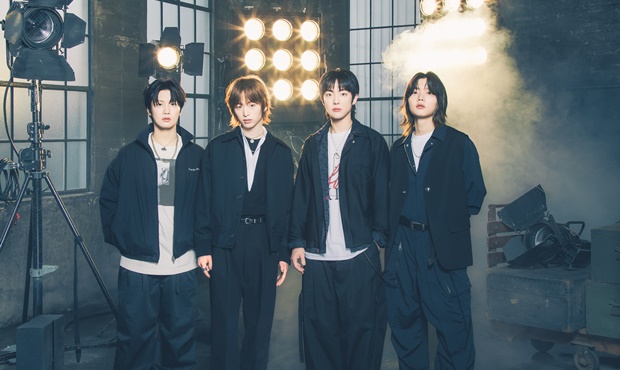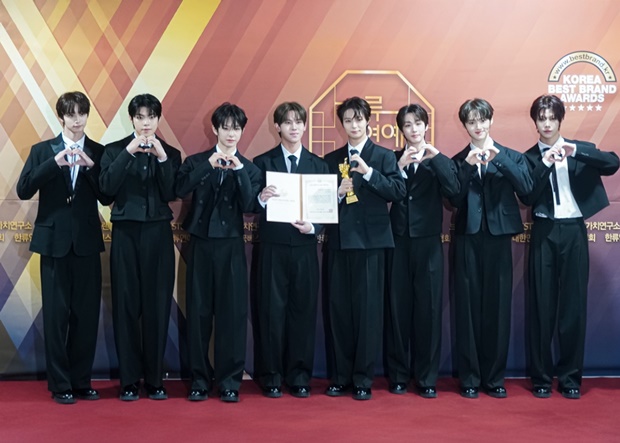

Both sides are engaged in a sharp debate over allegations of ILY plagiarizing.
This case prompts a reconsideration of artist protection issues within the entertainment industry.
[TV Daily Reporter Kim Han-gil] The fifth hearing of the 2 billion won damages lawsuit between BILIFRAP, the agency of the group ILY, and former Adore CEO Min Hee-jin will be held today at the Seoul Western District Court. This afternoon's hearing is expected to focus on the specific issues regarding the damage claim filed by BILIFRAP against Min.
In the fourth hearing, BILIFRAP claimed that Min publicly stirred public opinion by alleging that ILY plagiarized New Jeans, resulting in severe damage to the artists and the company. They highlighted specific examples of damage, including decreased album orders and canceled advertising schedules, asserting that Min's statements amounted to the spread of false information.
On the other hand, Min’s team contended that the allegations were a valid expression of opinion made in fulfilling their contractual duty to protect the identity of the artists. Furthermore, they argued that the controversy over similarities existed even before ILY's debut and that it is difficult to establish a direct causal relationship between Min's statements and the claimed damages. This hearing is likely to further clarify these points.
This legal dispute represents not just a claim for damages but highlights significant issues regarding professionalism in the entertainment industry and the identity of artists. Allegations of artistic plagiarism are particularly sensitive within this domain, and the implications of this case could have far-reaching consequences for the industry. The outcome of this case could set precedential benchmarks for similar incidents, especially since the voices of artists have previously played a crucial role in numerous cases.
Moreover, the duty to protect artists and the associated defamation issues showcased by both sides call for deeper discussions within the entertainment sector. Artists engage with society through their creative outputs, yet they may also face potential risks of liabilities stemming from their work. Finding legal safeguards for such scenarios is imperative.
This case transcends the interests of a single artist and unveils structural issues within the Korean entertainment landscape. It serves as a critical lens through which the relationship between artists and their surrounding environments can be examined, potentially laying the groundwork for a healthier industry ecosystem in the future.
This article is KOSTAR’s reinterpretation of a story originally reported by TVDaily.
Photo: TVDaily




![LUCY Chronicles Their Growth at KSPO DOME [TD Review]](https://cdn.kostar.asia/kostar/2026/05/img_6a099fb5d63b77.55048703.jpg)