The K-entertainment industry is poised for fresh opportunities with the reopening of the Chinese market.
Major agencies are likely to benefit from these changes.
Recent discussions between the South Korean and Chinese leaders have heightened expectations for the easing of the Hallyu ban. With the potential reopening of the Chinese market, the K-entertainment sector is poised for fresh opportunities.
Since the deployment of the THAAD missile defense system in 2016, the Hallyu ban has restricted the distribution of K-pop, Korean dramas, and films in China. Although the Chinese government has not officially acknowledged the ban, cultural exchanges have remained stifled, significantly impacting the domestic entertainment industry.
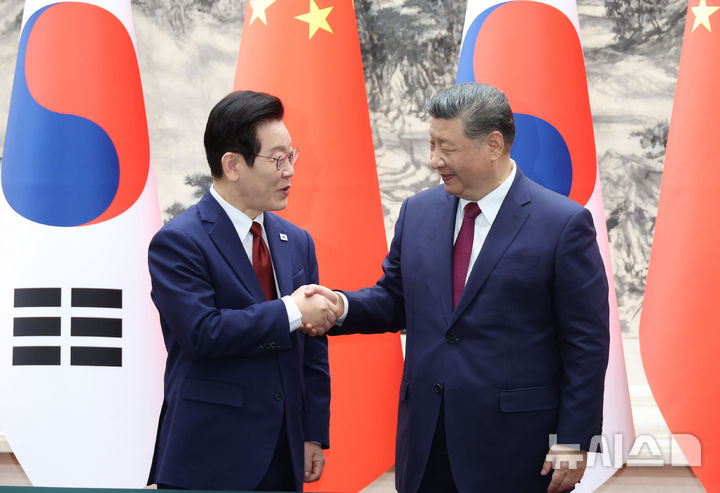
During the summit in Beijing on the 5th, President Lee Jae-myung and President Xi Jinping reached a consensus on the need for cultural exchanges and agreed to gradually expand them. This development is seen as a positive signal by many stakeholders in the K-content industry, especially regarding the potential resumption of K-pop events.
The recent summit marks a significant turning point for K-culture, fueled by hopes of lifting the Hallyu ban. Particularly, the reopening of the Chinese market could lead to positive changes across various sectors, including K-entertainment, K-beauty, and gaming.
Major corporations like SM Entertainment and JYP Entertainment are likely to benefit from this development, as they may target larger markets through collaborations with Chinese entities, contributing to the global expansion of K-culture.
However, it is important to note that an immediate lifting of the Hallyu ban is less likely; gradual easing is anticipated. Thus, the industry must remain cautious about these changes and carefully monitor China's responses.
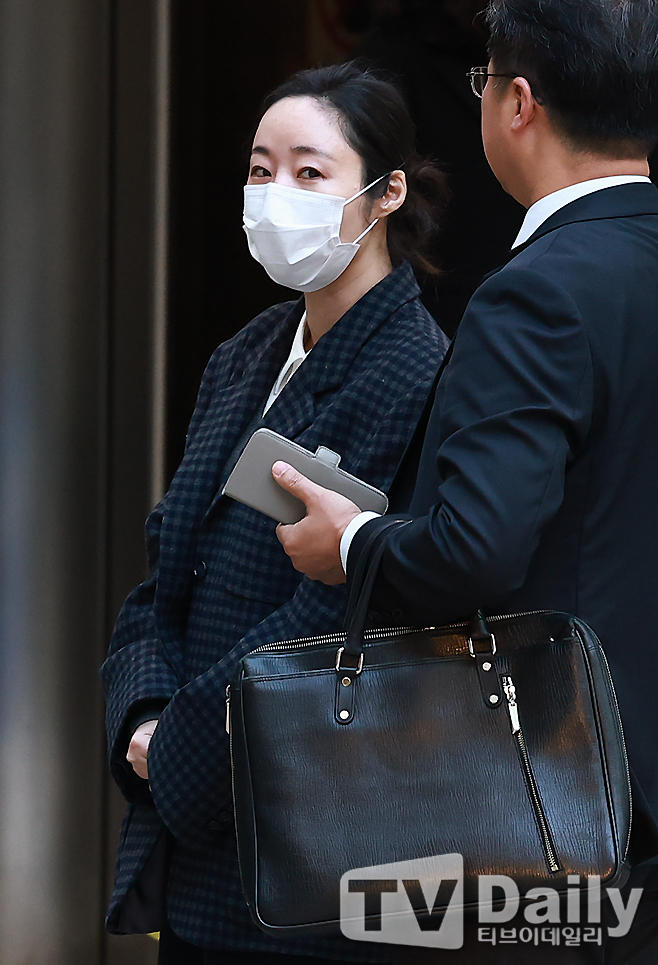
This article is KOSTAR’s reinterpretation of a story originally reported by TVDaily.
Photo: TVDaily