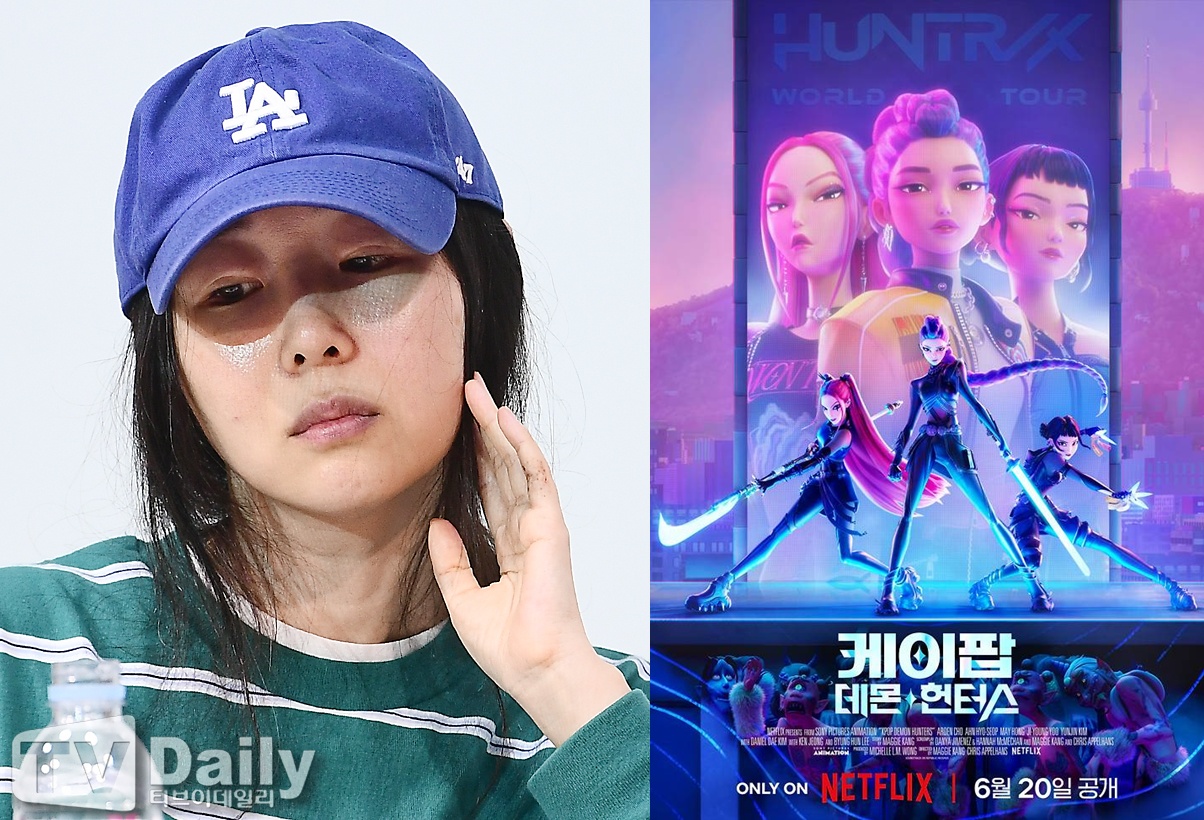
The conflict between Min Hee-jin and HYBE raises questions about K-Pop idols' rights.
Netflix's K-Dehun prompts deep discussion on the sovereignty of Korean content.
The year 2026 has dawned, representing an opportunity for K-Culture to embody the spirit of the Red Horse and thrive. With expectations surrounding K-Pop, including the return of BTS, the industry stands at a crucial moment. However, these anticipations come with homework from 2025. Last year's entertainment landscape revealed mixed outcomes; while overseas sales from K-Pop tours rose, internal strife, particularly involving NewJeans, deepened. The film and drama production sectors also faced challenges posed by global OTT giants.
The conflict between former Adore CEO Min Hee-jin and HYBE is emerging as a pivotal event that could shape K-Pop's future. This struggle goes beyond mere ownership disputes, reflecting the complexities of relationships within K-Pop artists. A comprehension of the NewJeans situation and resolution of conflicts are imperative for discussing K-Pop's future.
Furthermore, the success of Netflix's 'K-Dehun' reveals the erosion of sovereignty over Korean content. As Korean production companies and staff face a downgrade to subcontractor status, a renewed focus on enhancing their productivity and protecting copyrights is essential.
As we enter 2026, the tasks facing K-Culture are of immense significance. The conflict between former CEO Min Hee-jin and HYBE will likely shape the future of K-Pop significantly. The ownership dispute that arises here does not solely pertain to the interests of two major figures; it raises deep questions regarding the rights of K-Pop idols. In a more complex relationship between fandoms and the industry, finding solutions becomes a pressing concern.
Furthermore, Netflix’s 'K-Dehun' re-evaluates the status of Korean content in the global market while simultaneously raising issues of sovereignty. The external success of this project was not driven by the true strength of Korean creators, thereby triggering concerns for the long-term future of K-content. The partnership between producers and agencies must evolve to safeguard the roots of K-Culture.
In conclusion, for K-Culture to progress like the Red Horse, the cases of Min Hee-jin and 'K-Dehun' should serve as educational lessons. Losing sovereignty over content ultimately leads to inefficiency in the market and a loss of cultural originality. Efforts must be made to secure K-Culture’s identity and value from multiple angles.
This article is KOSTAR’s reinterpretation of a story originally reported by TVDaily.
Photo: TVDaily