
He demands a correction and legal action against false reports.
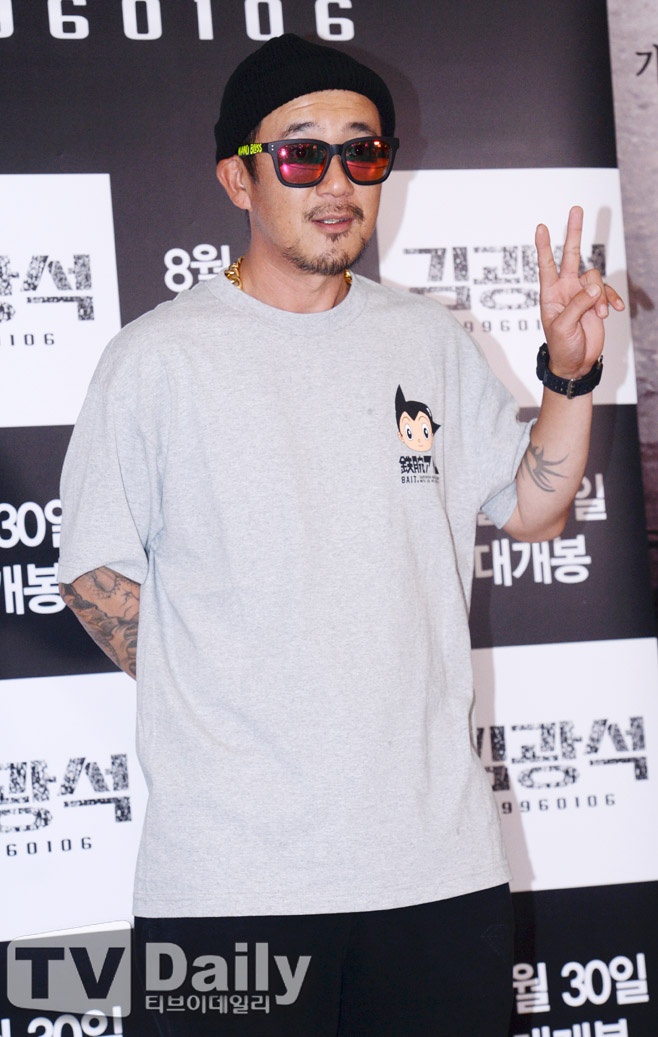
MC Mong has also denied the allegations and clarified the facts.
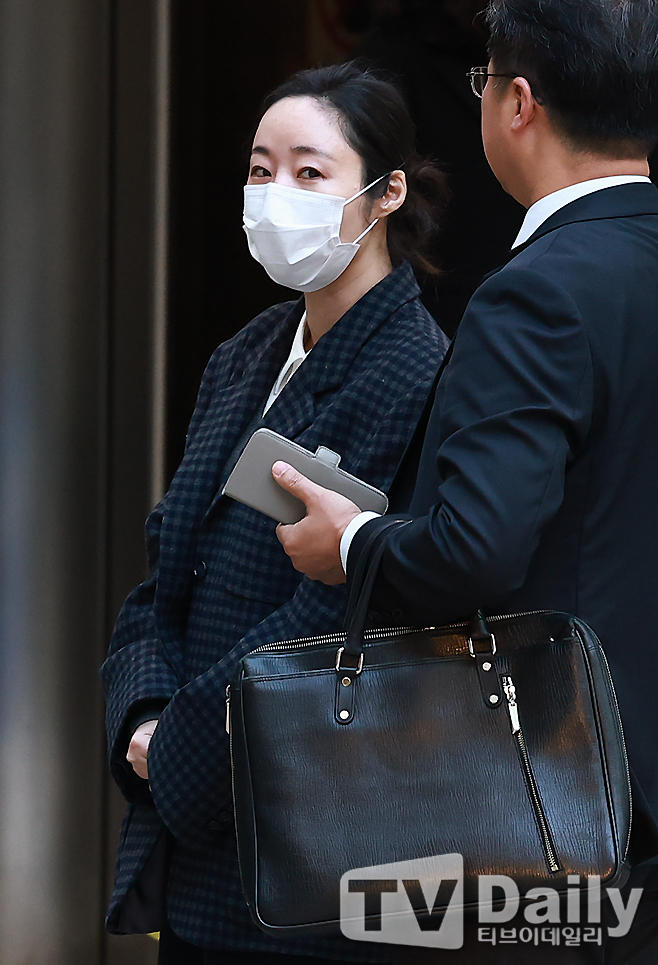
Cha Ga-won, the head of One Hundred, has filed a mediation request with the Press Arbitration Committee regarding a recent article that infringes on his privacy. On the 31st, One Hundred issued an official statement, revealing that they submitted a request to the committee concerning false and unverified reports published by The Fact about Cha Ga-won. The company argued that the report lacked proper fact-checking and did not allow for the right to respond, mentioning his name while sensationalizing the claims, which significantly deviated from objective facts. It was also claimed that this situation has severely harmed Cha Ga-won's reputation and privacy. Furthermore, the report included statements from MC Mong, who has publicly denied the truth of the allegations. In light of this, Cha Ga-won has submitted a mediation request requiring a correction and responsible actions from the media and is considering legal action against the false reports. Meanwhile, The Fact reported on the 24th that MC Mong had an inappropriate relationship with Cha Ga-won, who is married with children, to which One Hundred countered that the correspondence in question was manipulated by Cha's uncle.
This case raises important questions about the boundaries of media responsibility and the protection of personal privacy. Cha Ga-won's concerns serve as a prime example of how reality-based reporting can hurt an individual's reputation. In today’s world, even though the media delivers information quickly, careful consideration of the impact such reporting can have on individuals must be prioritized. Furthermore, MC Mong's public denial of the allegations highlights the importance of safeguarding one's dignity and rights in the face of sensationalized claims. This could also signify a pivotal turning point in the growing interaction between celebrities and the media.
Additionally, the media must recognize its influence and the responsibility that comes with it. The case of Cha Ga-won conveys a crucial message that the press must respect individuals' private lives and seek preventive measures against the recurrence of such incidents. If such occurrences become frequent, it could invite distrust across the entertainment industry and negatively affect the sector as a whole. Thus, the media is at a critical juncture where caution is paramount.
In conclusion, the fact that this matter has escalated to the Press Arbitration Committee highlights the increasingly complex relationship between media and individuals in modern society. Cha Ga-won's grievance encapsulates not just a legal issue but a social message demanding dignity and respect for personal identity.
This article is KOSTAR’s reinterpretation of a story originally reported by TVDaily.
Photo: TVDaily