
He explained the controversies related to the project group he formed with Oh Tae-ho in 1992.
His remarks highlight issues surrounding comment culture in the Korean music industry.
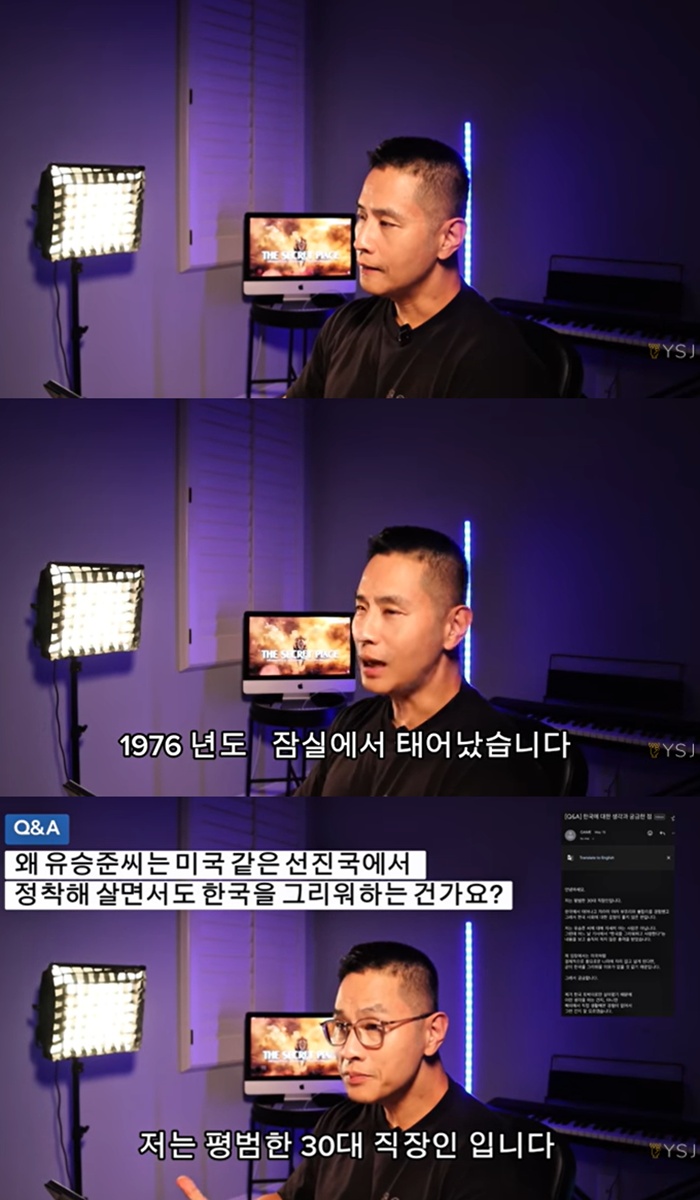
Singer Lee Seung-hwan has recently addressed rumors of plagiarism and conflict through his social media. He referenced a comment on his YouTube video questioning whether there was a fight between him and composer Oh Tae-ho. In doing so, he criticized the unfounded speculations and elaborated on his past experiences.
In the past, Lee Seung-hwan and Oh Tae-ho formed the project group I.O.Gong and released several hit songs. Notably, 'The Dog of Flanders' came under scrutiny for its striking similarity to a Japanese anime theme song, leading to issues regarding copyright. He emphasized that he had paid the copyright fees to the Japanese side, portraying himself as a victim of the situation.
Lee also expressed a positive outlook on his relationship with Oh Tae-ho, stating that they continue to collaborate sporadically. Additionally, he declared his resolve to withstand years of malicious comments, vowing to remain unshaken by the ongoing attacks.
Lee Seung-hwan's statements reveal the dynamics of conflict and public perception in the music industry. He goes beyond merely emphasizing his artistic contributions; he reflects on the historical significance of his career. This highlights the complicated nature of plagiarism issues that many artists face and prompts consumers and fans to reconsider the authenticity of artists.
By criticizing the culture of aggressive comments, Lee implicitly addresses his market position and the societal responsibilities that come with it. The fact that even junior artists like IU face similar attacks points to a broader systemic issue. Within the realm of music, strong social currents lead to harassment and defamation, suggesting an ongoing challenge for artists.
Ultimately, Lee Seung-hwan's remarks are not just personal responses but emphasize the need for critical conversation across the South Korean music industry. By sharing his experiences, he fosters a sense of solidarity among artists facing similar tribulations, creating empathy for their injustices.
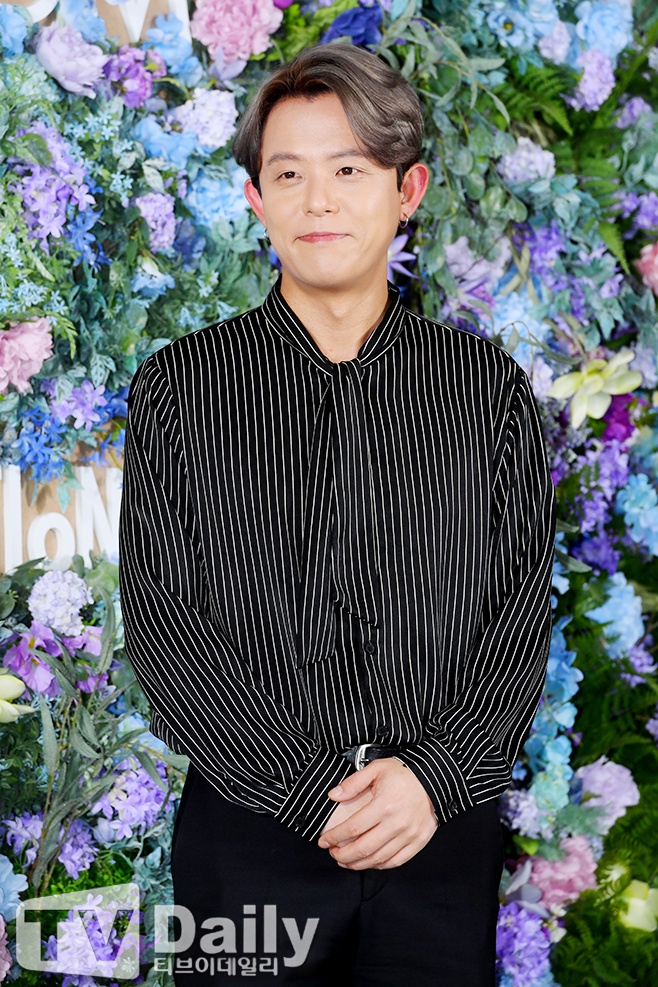
This article is KOSTAR’s reinterpretation of a story originally reported by TVDaily.
Photo: TVDaily