Quickly addressing controversies has become vital for maintaining brand trust and audience faith.
The cases of Starbucks and Rich E. Gi exemplify this trend effectively.
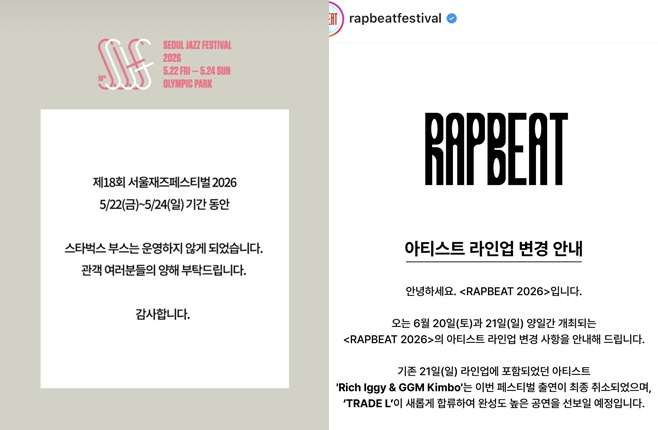
May and June mark the peak season for music festivals, coinciding with an increase in outdoor activities. During this time, managing the image of events becomes crucial, leading organizers to quickly dissociate from controversial artists or partners. The Seoul Jazz Festival, for instance, withdrew its plan for a Starbucks booth following a public outcry over the company's promotional campaign.
The festival announced through social media that the Starbucks booth would no longer operate. Scheduled for May 22 to 24 at Olympic Park in Songpa, the festival's decision appears to stem from the recent controversies surrounding Starbucks.
The uproar began with the company's 'Tank Day' promotion on the anniversary of the Gwangju Uprising, which drew harsh criticism online. Following this, the chairman of Shinsegae, the parent company of Starbucks, issued an apology, and the Starbucks Korea CEO was ultimately dismissed.
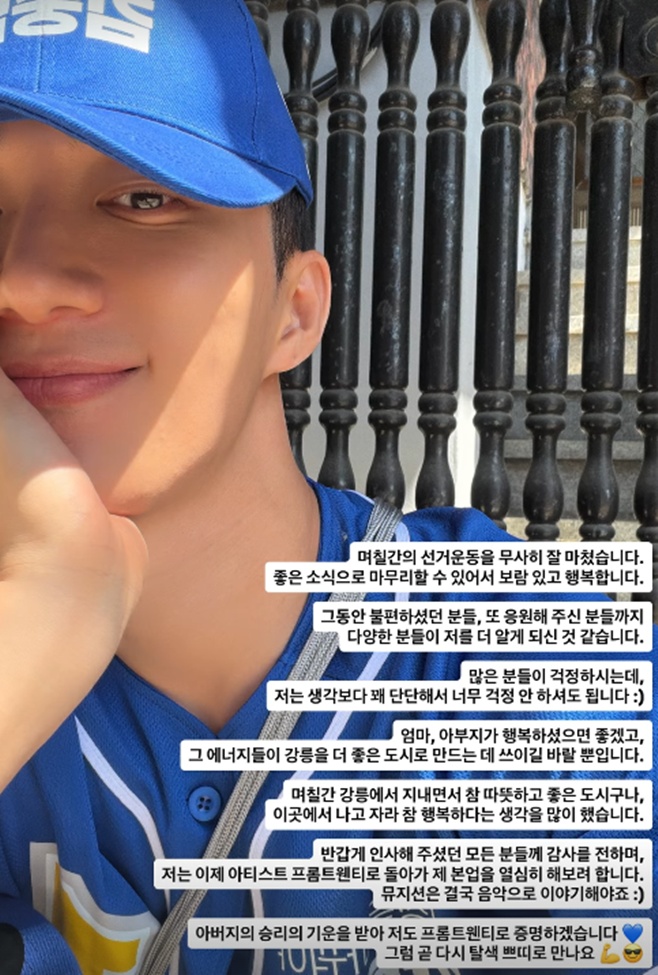
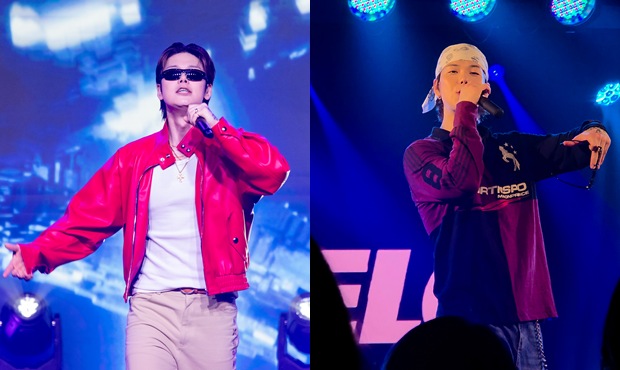
A similar trend is evident in the hip-hop festival scene, where artist Rich E. Gi was dropped from the lineup due to allegations of disrespecting the late former President Roh Moo-hyun. The festival organizers announced the cancellation, reflecting the current public sentiment regarding controversies.
The recent developments in the festival industry underscore how an artist's actions or statements can directly impact events. Brand and image management have become critical factors for the success of performances, making it essential to block potential risks upfront. With the speed of public sentiment spread through social media, organizers must engage in proactive management more than ever.
The decision by the Seoul Jazz Festival goes beyond merely distancing itself from Starbucks. It reflects a swift response to public opinion, aiming to preserve the festival's image and audience trust. This shift indicates a changing perception where brand image has taken precedence over freedom of expression.
The Rich E. Gi incident serves as a reminder of the weight of an artist's influence. When the content they present intersects with social issues, they must also recognize the responsibilities that come with it. Artists should deeply consider what outcomes their voices may trigger, especially in light of the current landscape.
This article is KOSTAR’s reinterpretation of a story originally reported by TVDaily.
Photo: Festival Organizers


!['Youth Captured' Tours Reveals Their Natural State [Photoshoot]](https://cdn.kostar.asia/kostar/2026/05/img_6a0ec997e2d152.26895260.jpg)