Criticism of the Korean hip-hop scene is intensifying, demanding accountability from its artists.
This incident raises serious questions about the identity and ethics of Korean hip-hop.
The solo concert of Rich Iggy, scheduled on the 17th anniversary of former President Roh Moo-hyun’s death, faced significant public backlash and was ultimately canceled. While the Roh Moo-hyun Foundation's legal actions and the venue's decision seemed to put an end to the situation, criticism towards the Korean hip-hop scene is intensifying.
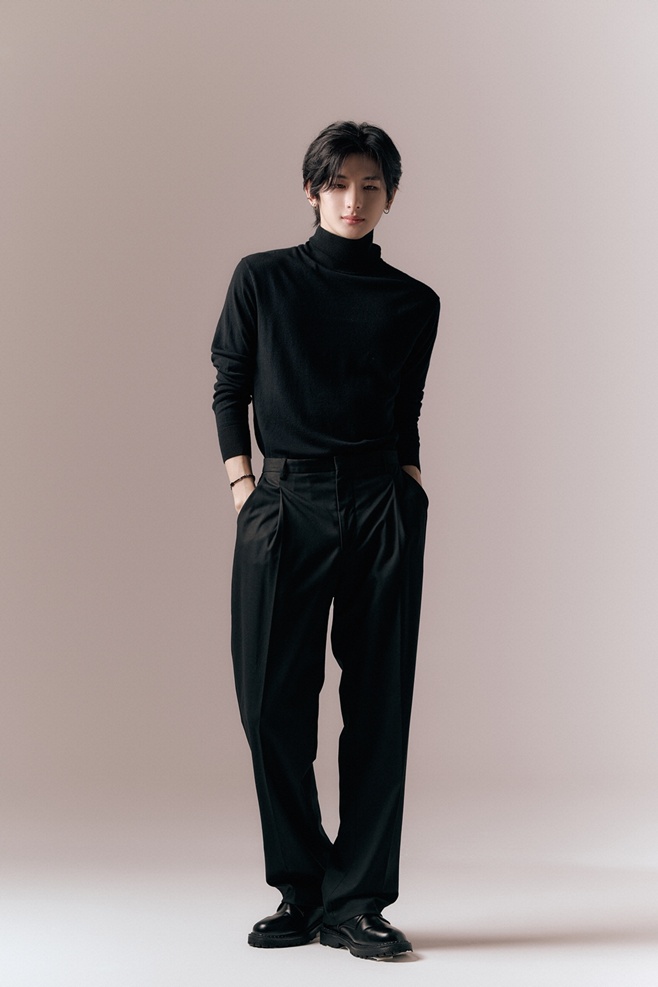
Rich Iggy, born in 2006, recently faced backlash for using derogatory remarks about the late president and terms associated with far-right communities in his songs. Though relatively unknown since his debut last year, the planning of this concert became a vehicle for ridicule. The concert was deliberately set on the anniversary of the president's passing, with ticket prices that served as a provocative element attracting public anger.
In response to the uproar, Rich Iggy hurriedly attempted damage control by writing an apology letter and visiting the Roh Moo-hyun Citizen Center. However, public reception remains cold. The situation is further complicated by the fact that well-respected artists such as Paloalto and Deepflow were scheduled to join him on stage, raising concerns about tacit endorsement of the hate speech, despite their claims of ignorance regarding the implications.
This incident serves as a wake-up call, highlighting systemic issues within the Korean hip-hop scene rather than just a controversy. Although freedom of expression is constitutionally protected, the propagation of hateful speech significantly tarnishes the overall perception of the scene. Given that hip-hop originally aimed to challenge social injustices and discrimination, a departure from this essence poses serious implications.
Rich Iggy’s approach demonstrates a willingness to harm others for the sake of notoriety. The perception that hateful expressions can rapidly increase visibility for up-and-coming rappers threatens to distort the unique identity of Korean hip-hop. Hence, this situation must not merely end with apologies but necessitates deeper introspection and transformation.
Moreover, the incident raises important questions about the accountability of established artists like Paloalto and Deepflow. Their choice to collaborate without prior knowledge of their junior's work undermines the evolution of the hip-hop scene and could cost them the trust of the audience. There is an urgent need for artists to take responsibility for their actions and to foster a culture of mutual respect for values and directions.
This article is KOSTAR’s reinterpretation of a story originally reported by TVDaily.
Photo: DB