
The LA Consulate cites a prior entry ban as the reason for the visa denial.
This case raises social debate over military obligations and citizenship issues.
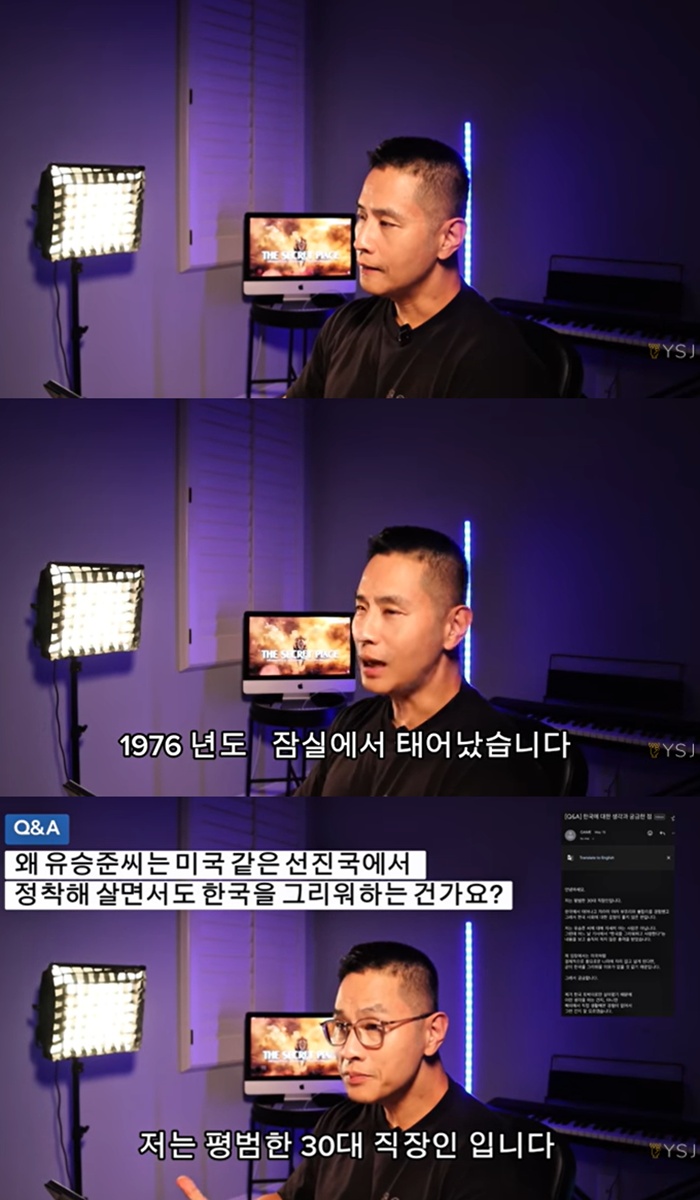
[TV Daily Reporter Kim Ji-ha] Singer Steve Yoo (49) will commence the appeals hearing for his third administrative lawsuit in July after being denied a visa despite winning two rulings from the Supreme Court.
The Seoul High Court's Administrative Division 8-2 has scheduled the first hearing for July 3 at 11:20 AM, regarding Yoo's lawsuit against the Consulate General in Los Angeles to revoke the visa denial. Yoo became embroiled in a military evasion controversy after departing for overseas performances while being summoned as a public service worker in 2002, subsequently gaining U.S. citizenship.
The Ministry of Justice issued an entry ban against Yoo, who then attempted to obtain an overseas Korean (F-4) visa, only to be rejected again by the LA Consulate. Although he lost the initial lawsuit, the Supreme Court reversed the lower court's decision, leading to a favorable ruling for Yoo. However, after reapplying for the visa and facing further denial, he filed a second lawsuit that also ended in his favor. Yet, based on the previous entry ban decision, the LA Consulate denied his application once more.
Last August, the first-instance court ruled in favor of Yoo, stating that the visa denial was unjust. The court emphasized that there was no solid evidence that Yoo's presence would threaten national security, highlighting that preventing his entry was unlawful discrimination.
The case of Steve Yoo reveals the complex issues surrounding military obligations and citizenship in South Korea. His struggle for visa approval highlights not only his personal challenges but also a broader societal debate related to military service and immigration rights. This situation reflects a changing public perception—while evading military duty was once heavily stigmatized, there is now a growing recognition of individual circumstances and humanitarian considerations.
Moreover, Yoo's legal battles underscore a significant issue where cases of draft evasion can severely impact personal lives. The consequences of visa denials extend beyond mere legal processes, as they can lead to substantial changes in an individual's career and opportunities. Yoo's case thus exemplifies how personal issues can intertwine with larger questions of systemic justice and legal fairness in South Korea.
Finally, this situation illustrates the potential legal entanglements faced by Korean entertainers pursuing careers abroad. As seen in Yoo's case, immigration laws can restrict personal trajectories unexpectedly, raising critical discussions about the frameworks that govern international mobility for artists within the Korean entertainment industry.
This article is KOSTAR’s reinterpretation of a story originally reported by TVDaily.
Photo: TVDaily