Short-form content consumption is transforming music production and marketing methods.
Fan culture is also evolving, with challenges emerging as a key element.
[TV Daily Kim Han-gil, Kim Jin-seok] The recent K-pop market is rapidly transforming with short and fast-paced music. Instead of traditionally longer songs, tracks in the 2-minute range are becoming the norm, with key choruses and impactful moments placed right at the beginning. This shift is a response to listeners’ tendencies to skip through content quickly, emphasizing the importance of leaving a strong impression.
As short-form content consumption becomes widespread, K-pop production is at the heart of this change. Platforms like TikTok and YouTube Shorts are redefining how music is consumed, with changes rippling through choreography and marketing strategies. Notably, K-pop songs are now designed to capture an audience's attention within 15 seconds, making a song's success less about its narrative cohesiveness and more about its immediate impact.
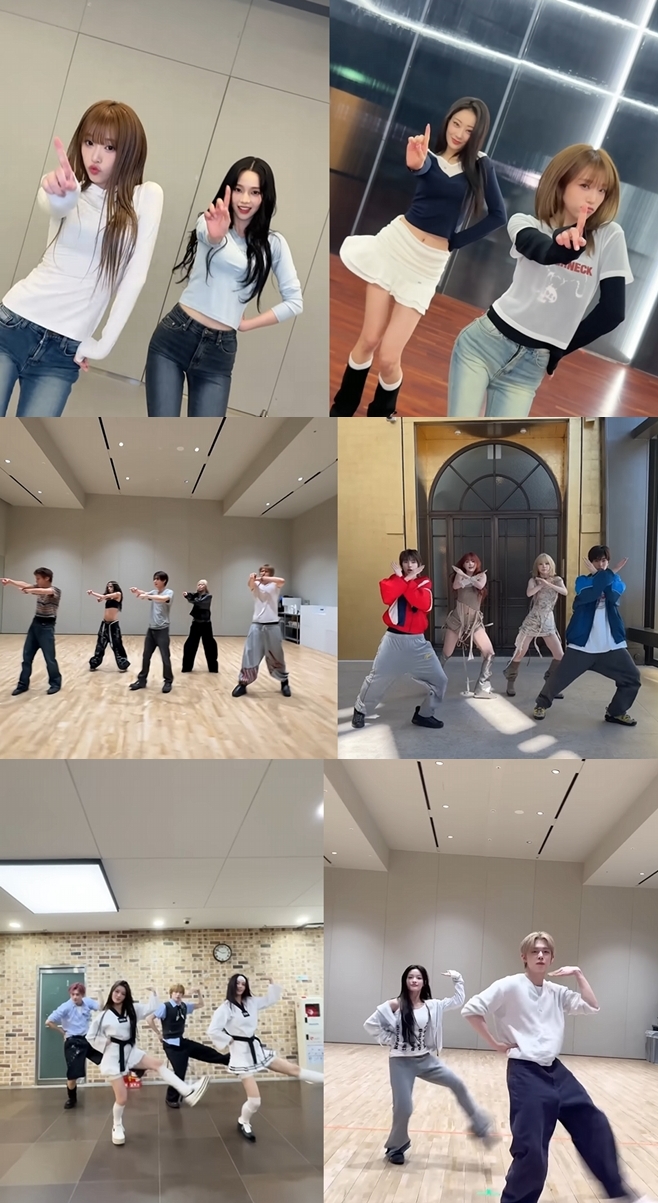
Beyond the music, performances and marketing are also evolving to be shorter and more intuitive. Point dances that are easy to replicate are becoming popular, while challenges and memes engaging fans have gained significance. This approach ensures that the songs have a strong impact, as the entire industry swiftly adapts to the short-form culture.
K-Pop must develop increasingly competitive survival strategies in light of the expansion of short-form content. Essential elements like short runtimes and impactful choruses are replacing traditional music narratives and emotional arcs, indicating that artists must consider these frameworks from the creation stage.
Moreover, fan culture is undergoing rapid transformation, highlighting new consumption forms. Rather than a focus solely on streaming music and album purchases, there's an increasing emphasis on secondary creations and challenge participation via short-form platforms. This shift allows fans to consume content more actively, thus maximizing artists' exposure.
Going forward, the K-Pop industry must balance musical integrity and short-form adaptability. Relying solely on fleeting trends could diminish the durability of the music and its value as an art form. Artists need to stay mindful of this aspect, ensuring they produce music that retains their identity.
This article is KOSTAR’s reinterpretation of a story originally reported by TVDaily.
Photo: YouTube