The lyrics reveal past conflicts and disappointment.
Current tensions in the hip-hop scene are gaining more attention.
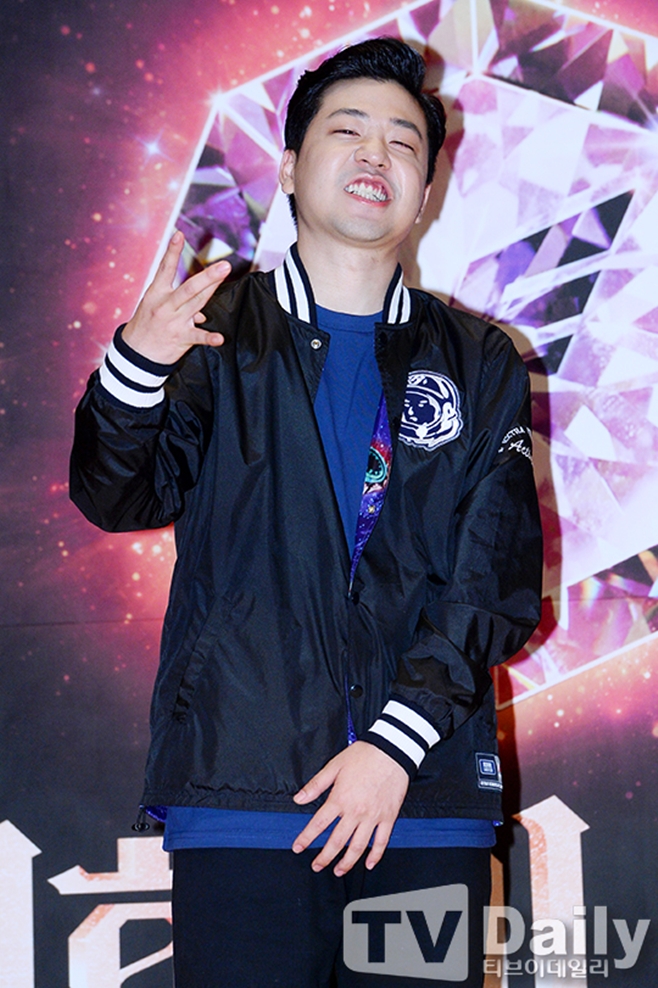
[TV Daily Correspondent Kim Jin-seok] Rapper Lil Boy has stirred the hip-hop scene by dropping his latest track 'That Hyung', directly addressing Swings. Released at midnight on the 22nd, the lyrics contain blunt critiques aimed at Swings, particularly a line that suggests discomfort with authoritarianism: 'If a position makes a person that way, I truly hate becoming an incompetent dictator.'
Lil Boy reflects on past tensions with Swings, noting the proposal he received from Swings to join Indigo Music. He uses provocative lines like 'If I had received shares from Indigo, I'd probably just be Zimbabwean dollars six months later' to mock Swings' alleged failures. He emphasizes his disillusionment with lines like 'Who is the idol here?' suggesting a shift in admiration for Swings.
The conflict intensified following Big Naughty's diss track 'INDUSTRY KNOW' released on the 16th, where he exposed various misdeeds by Swings. In response, Swings defended himself during a live SNS broadcast, claiming that decisions made concerning royalties were purely business-related. This escalating situation sheds light on the internal tensions within the South Korean hip-hop industry and has drawn significant public interest.
Lil Boy's new track 'That Hyung' serves as more than just a diss track; it re-examines power dynamics within the Korean hip-hop scene and candidly expresses complex emotions between artists. The conflict with Swings raises critical questions about fame and identity in the industry, pushing beyond mere personal grievances.
Additionally, Lil Boy reflects on his past relationship with Swings, revealing his growth journey while simultaneously articulating his disappointment. This resonates with many artists' experiences, especially where indie musicians or hip-hop artists confront challenges in their dealings with established labels. Such themes are likely to resonate deeply with fans, creating a sense of empathy.
Lastly, this ongoing diss battle can potentially invigorate the Korean hip-hop scene. The portrayal of conflict in popular music transcends mere rivalry, providing opportunities for artists to showcase their creativity and uniqueness. The endeavors of Lil Boy and Big Naughty are poised to capture even more public interest moving forward.
This article is KOSTAR’s reinterpretation of a story originally reported by TVDaily.
Photo: DB