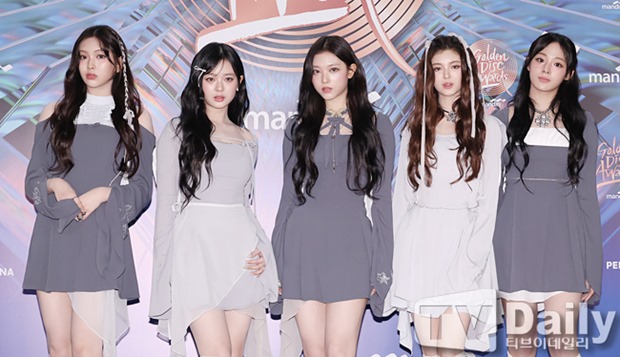
This case arises from the lawsuit regarding the plagiarism and copyright issues of a music video.
Physical evidence and public reaction can significantly influence legal judgments.
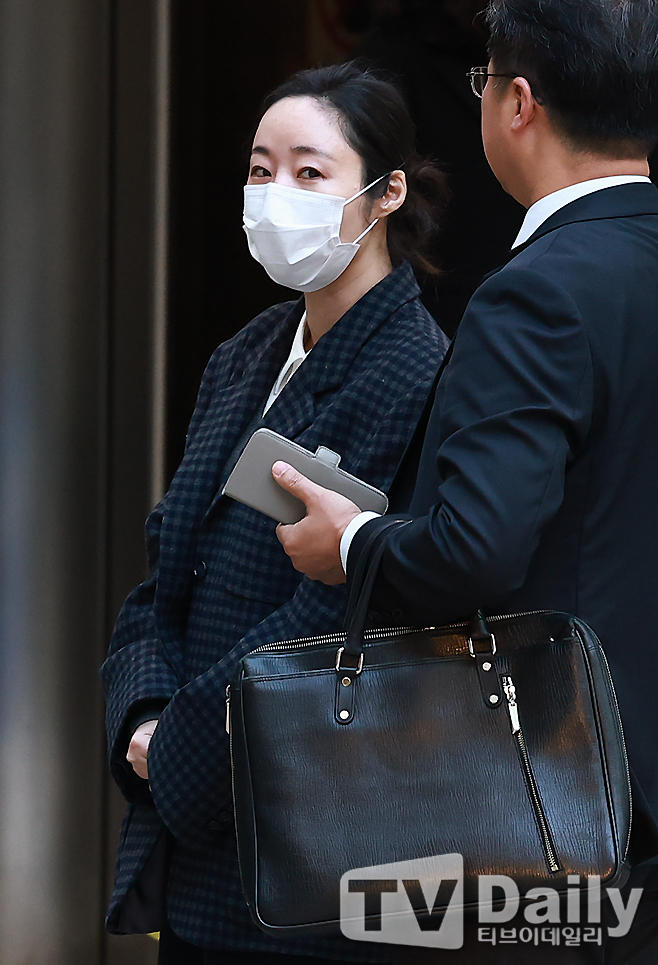
[TV Daily] In the final arguments of the damages lawsuit between Adore and the Dolphin Kidnapping Group, both sides clashed over the existence of an agreement and copyright issues. Adore emphasized the illegality of the video, whereas the Dolphin Kidnapping Group argued that there was indeed a clear agreement. The matter began last August when the Dolphin Kidnapping Group posted a Director's Cut of NewJeans' 'ETA' music video without authorization. Adore raised legal issues regarding this, leading to a court case. During this hearing, Adore stressed the importance of obtaining prior written consent before releasing any videos and asserted through the testimony of former CEO Min Hee-jin that no oral agreement existed. On the other hand, the defense highlighted the presence of an oral agreement and claimed that the plaintiff's reputation had been severely damaged.
The dispute between Adore and the Dolphin Kidnapping Group extends beyond just financial issues, highlighting critical lessons regarding industry practices and the management of an artist's creative work. This case raises awareness about the necessity of obtaining written consent for video collaborations, underscoring the importance of clear contractual arrangements for future partnerships. It serves as a point of reflection on how to maintain legal stability while respecting the rights of both artists and producers.
Moreover, the responses from fandoms and the public reveal how crucial these factors can become in legal battles. The defendant's comments, seen as damaging to Adore's reputation, have had a direct impact on the agency's public image, forming a key aspect of the defamation suit. The shifting public perception illustrates the effects on an artist's standing and the agency involved.
Finally, this incident reiterates the importance of trust and transparency in contractual relationships with artists. Business relationships in the industry must be grounded not only in legal perspectives but also in moral trust, which is essential to protect both the artist's creative works and the public interest.
This article is KOSTAR’s reinterpretation of a story originally reported by TVDaily.
Photo: TVDaily