
Former CEO Min Hee-jin claimed that verbal agreements are an industry norm.
The court is set to address legal issues regarding collaboration and posting rights.
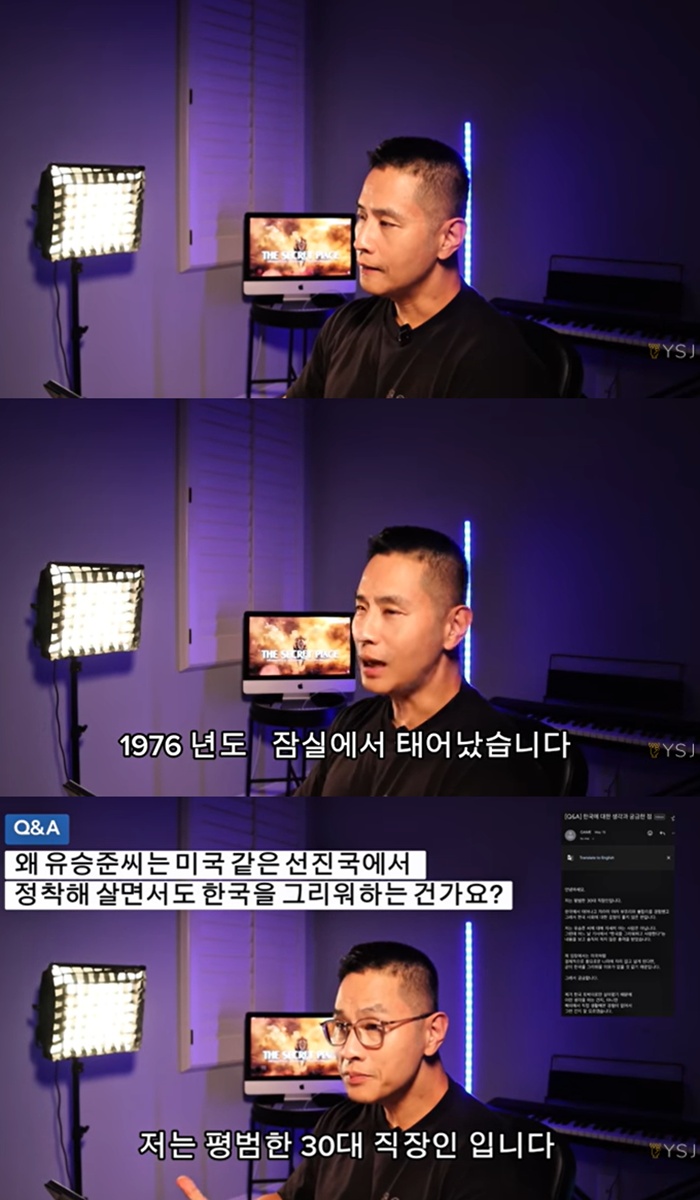
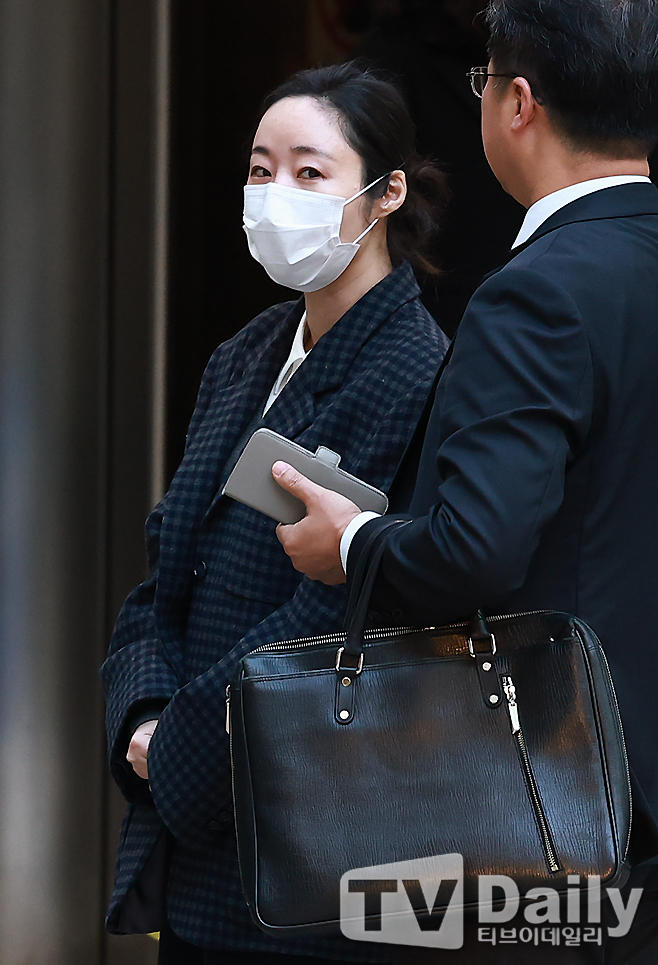
[TV Daily Reporter Kim Hangil] Adore and the Dolphin Kidnapping Group are set to face off in court again regarding the unauthorized posting of NewJeans' 'ETA' director's cut video. The Seoul Central District Court's Civil Division 62 is scheduled to hold the fourth hearing of a damage compensation lawsuit worth approximately 1.1 billion KRW that Adore filed against the external production company, Dolphin Kidnapping Group, and director Shin Woo-seok today (December 9). This conflict began in August 2023 when Dolphin Kidnapping Group posted a director's cut of NewJeans' 'ETA' music video on their YouTube channel. Adore claimed that the video was posted without prior consent, which they deemed unauthorized, while director Shin Woo-seok deleted the videos he had uploaded on his unofficial channel and countered by alleging defamation by Adore, leading to legal action. As a result, both sides have escalated their disagreement into a legal battle. Former Adore CEO Min Hee-jin testified as a witness for Shin Woo-seok in the third hearing last month, stating that posting works on social media is generally accepted practice in the industry. However, Adore argued that such verbal agreements could threaten the brand and artist image of the music video, necessitating written consent. The fourth hearing is expected to delve deeper into whether such verbal agreements hold legal merit.
This case serves as a reflection of the relationship between artists and external production companies, highlighting the dynamics at play. Former CEO Min Hee-jin's mention of verbal agreements as industry practice raises questions regarding the professional standards expected from technicians and artists, suggesting a potential clash. The ongoing legal battle could pave the way for establishing new benchmarks in this regard.
Furthermore, given the crucial nature of branding and artist identity in content like music videos, the points at issue are likely to extend beyond unauthorized posting to encompass collaborative boundaries and rights issues. This could become a significant foundation for redefining relationships with external production companies in the future.
Lastly, without fostering a culture that respects the rights of each artist and external producer, the creativity and advancement of the entire industry could be hindered. This case can be viewed as a necessary part of efforts to maintain a healthy working environment within the Korean music industry, beyond the mere legal dispute.
This article is KOSTAR’s reinterpretation of a story originally reported by TVDaily.
Photo: TVDaily