
This ruling clarifies the legal responsibilities regarding false information and defamatory content.
It holds significance as a precedent for similar cases in the future.
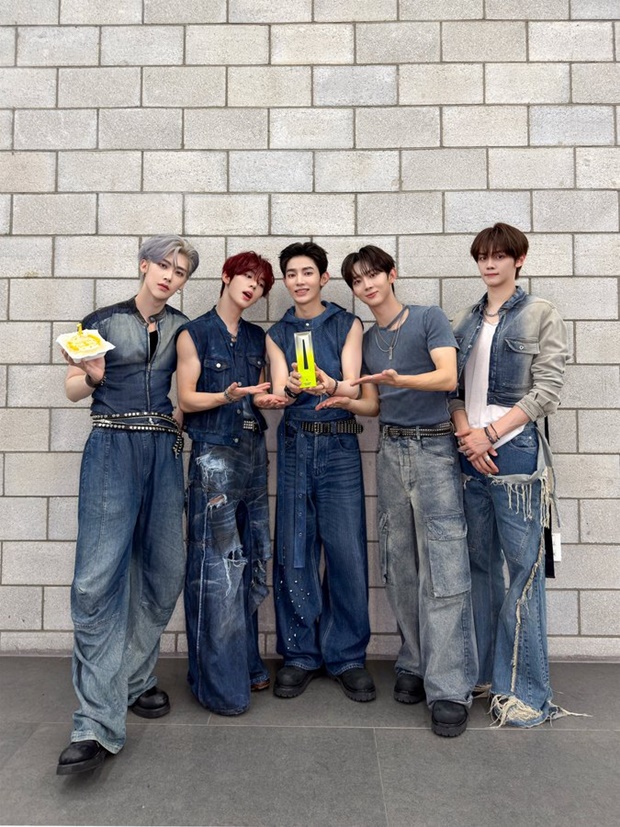
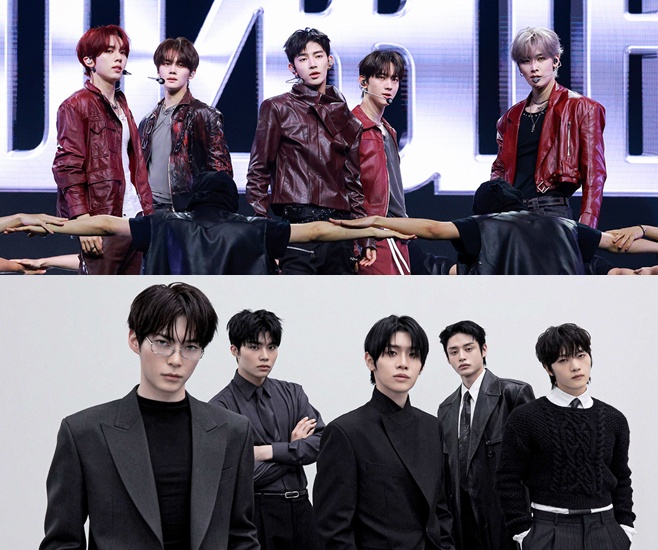
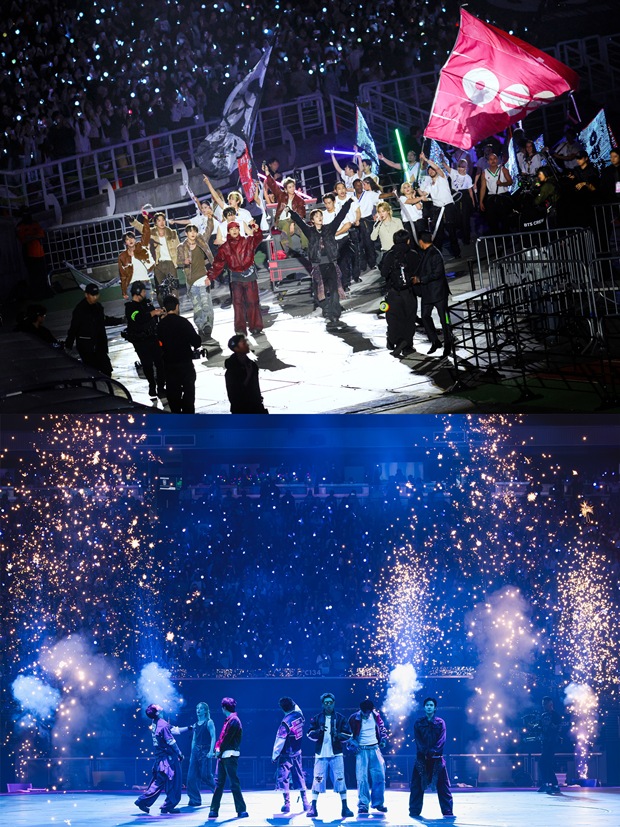
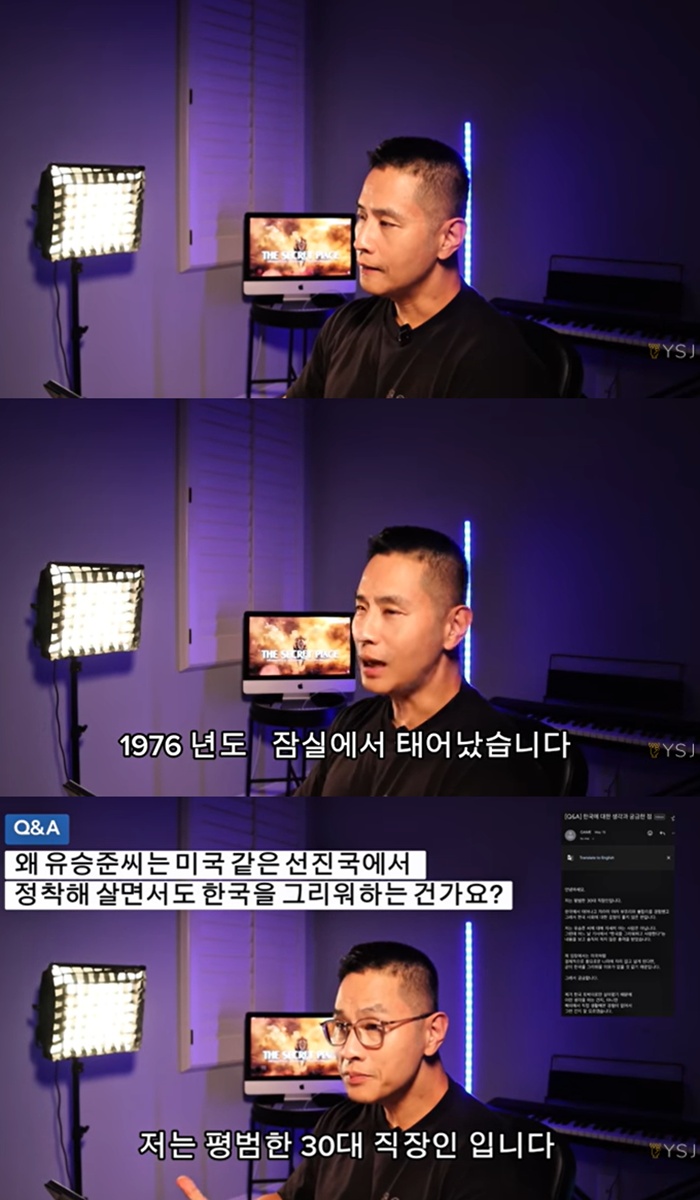
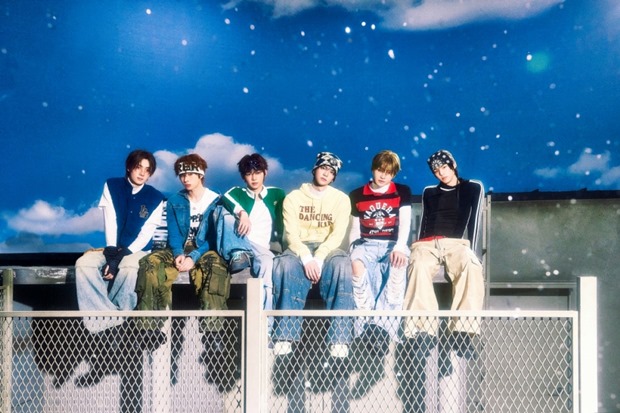
A YouTuber who raised allegations of choreography plagiarism against the girl group ILYT has been ordered by the court to pay damages. This ruling holds significance beyond the individual and corporate litigation context, serving as a crucial warning against false information and defamation. The Seoul Western District Court has placed a liability of 15 million won on YouTuber A, confirming that such defamatory content can lead to legal consequences.
The essence of the ruling lies in its clear delineation between 'freedom of expression' and 'false information.' The court pointed out that A failed to verify the authenticity of claims related to plagiarism and bullying allegations against ILYT. The use of sensational titles like 'proof of plagiarism obtained' was particularly pivotal in judging these assertions as false.
The court deemed that the derogatory videos about ILYT's talents and costumes seriously undermined Hive's reputation. The impressive view count of up to 8 million for these videos illustrates their impact on corporate activities, emphasizing social responsibility. Although the compensation awarded is less than the claimed 300 million won by Hive, this precedent is expected to shape similar situations in the future.
This ruling goes beyond merely a legal matter; it raises awareness of the indiscriminate defamation and disclosures prevalent in the YouTube ecosystem. Historically, false information could spread easily, but as cases holding content creators legally accountable increase, they must exercise caution. The positive implications for ILYT and Hive from this incident will significantly impact fandom and the entire industry.
Moreover, the boundaries between artists and content creators are likely to become clearer. Legal measures aimed at protecting artists will accelerate, meaning the culture of unjust defamation is expected to diminish. YouTubers must recognize the risks associated with making assertions without verifying information.
Ultimately, this ruling could serve as a catalyst for enhancing transparency and fairness in the entertainment industry. Corporations and artists are protected against unfair defamation, establishing a foundation for rectifying similar occurrences in the future.
This article is KOSTAR’s reinterpretation of a story originally reported by TVDaily.
Photo: TVDaily