
The responsibility for the approximately 26 billion won put option payment is expected to be a key issue.
The breakdown of the trust relationship is emerging as a crucial judicial criterion.
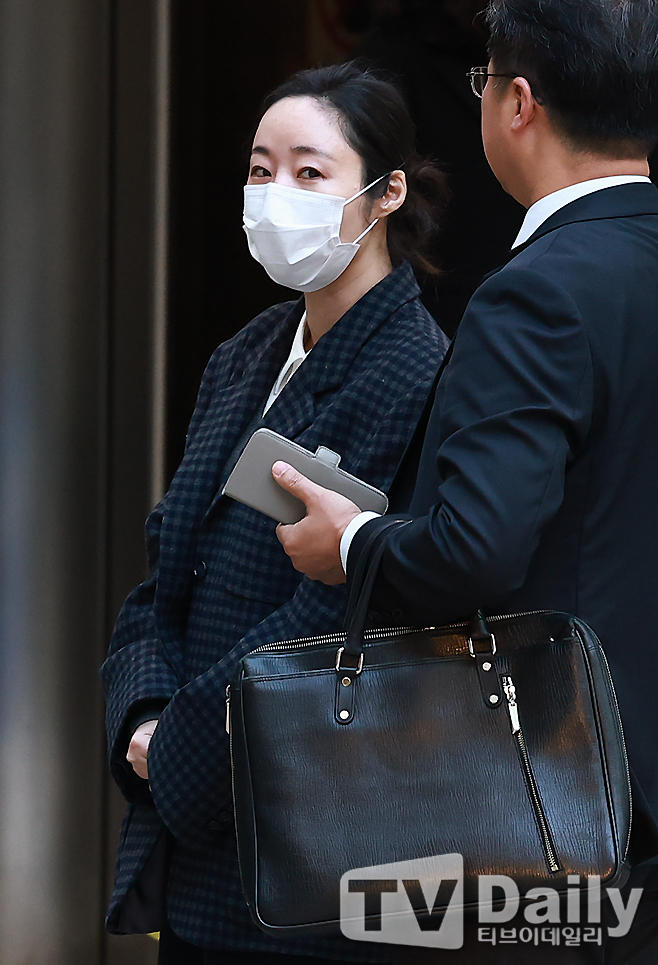
The initial court ruling regarding the intricate shareholder contract dispute between Hive and former Adoor CEO Min Heejin is scheduled for tomorrow, February 12. The Seoul Central District Court's civil division 31 will make a decision on Hive's lawsuit for the confirmation of the shareholder contract termination and Min's request for payment stemming from exercising the put option.
This ruling is set to clarify whether Hive's termination of the contract is lawful and determine the responsibility for the approximately 26 billion won put option payment. The core issue revolves around whether the trust relationship necessary for the contract was irreparably damaged. While Hive alleges that Min engaged in actions that undermined trust, Min's camp refutes the claims, asserting no contract violations.
Min Heejin exercised the put option on 75% of her 18% stake in Adoor upon resigning from her internal director position in November 2024. The payment for the put option is calculated based on the average operating profit over the past two years multiplied by thirteen. Based on Adoor's financial results for 2022 and 2023, Min's claimed amount approaches approximately 26 billion won, but the put option can only be validly executed while the contract remains in effect. Should the court rule Hive's termination as lawful, the put option may be deemed invalid.
This courtroom battle is anticipated to evolve beyond a simple ownership dispute, delving into the legal implications of trust relationships between shareholders. Given the intertwining of personal emotions and business interests between Hive and Min Heejin, there is significant attention on how the court will evaluate the legitimacy of the contract termination. As a precedent for how abstract concepts like trust may influence legal judgments, this case is likely to have a significant impact on similar future instances.
Furthermore, should the judgment clarifies the criteria for contract termination, it could assist in preemptively addressing potential conflicts and interests that may arise during the formulation of shareholder agreements between corporations. By ensuring that suspicions or misunderstandings do not evolve into tangible actions, this could contribute to fostering better communication and trust among shareholders.
Finally, this dispute may serve as a catalyst for redefining corporate governance and ownership norms in South Korea. As part of the effort to protect corporate value and stakeholder interests, the court's ruling could have substantial implications for shifts in corporate culture and norms in the future.
This article is KOSTAR’s reinterpretation of a story originally reported by TVDaily.
Photo: TVDaily